

Learning how to manage customers’ keys is one of the most basic skills a pet sitter needs to master. We all know that sinking feeling when we can’t find a key! And security must be a priority.
So what are the options for managing keys as a pet sitter? We share our favourite solutions below!
1. A Lock Box
Lock boxes are secured to the outside of a customer’s property and need a PIN code to open them. The house keys are kept inside so are available 24/7 without needing to hold a key yourself.
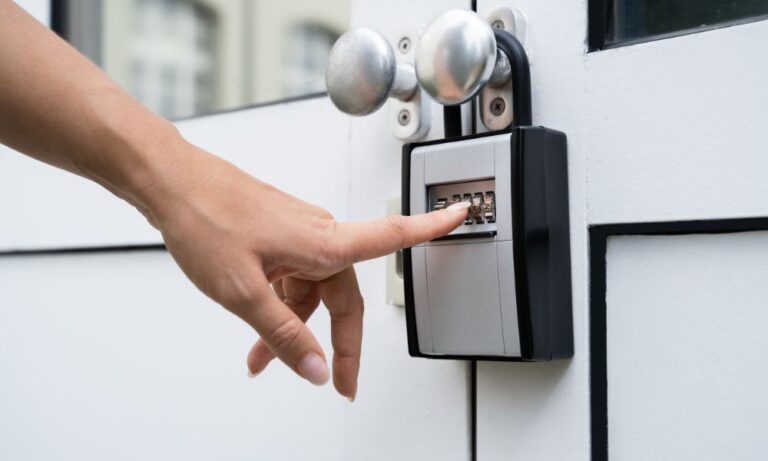
If your customer has one of these then you must ensure you keep the lock code somewhere securely, but with easy access to it. The best way to do this is to store it in the customer’s record within Pet Sitter Dashboard.
What are the pros and cons of using a lockbox?
Pros
- The customer is control of their own keys and can use this method of storage for other people who might need to visit, like a cleaner for example.
- A PIN code is easier to share between more than one pet sitter if you run a team.
- A PIN code is easier to change, which is good practice for extra security.
Cons
- If the customer forgets to leave a key you can’t get into their property.
- The customer could change the PIN code and forget to tell you.
2. How to manage customers’ keys with a colour-coded keyring
If you hold keys for customers you will need to have a system for storing and identifying keys securely. You shouldn’t write their name or address on a key fob, or any identifiable information that could compromise their home security if the set is ever lost or stolen.

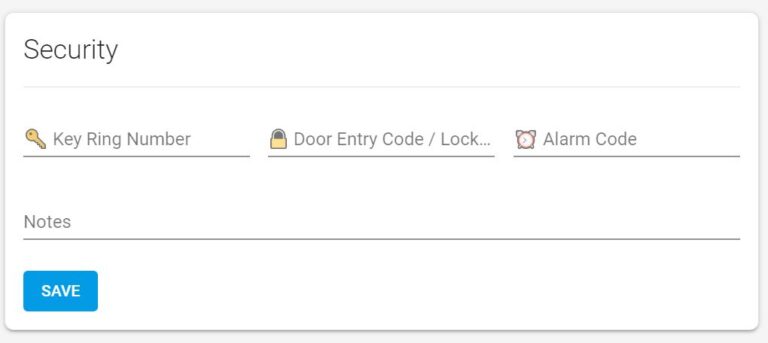
Using coloured key rings is a good way to identify which key belongs to each customer. You can write a number on each key ring and store the colour/number away from the keys. Pet Sitter Dashboard has a field for doing this within the customer record.
Here is the security data available within Pet Sitter Dashboard.
3. Key Chain
A variation on the colour-coded key rings is to store all the keys on a key chain (like a prison jailer!)
What are the pros and cons of using key rings or key chains?
Pros
- A key won’t fall out of your pocket.
- It’s easier to find a big key chain.
- A key chain can be attached to your belt.
Cons
- If you keep the keys at home there’s a chance you’ll forget them when you set out for a pet sitting appointment.
4. Key Safe
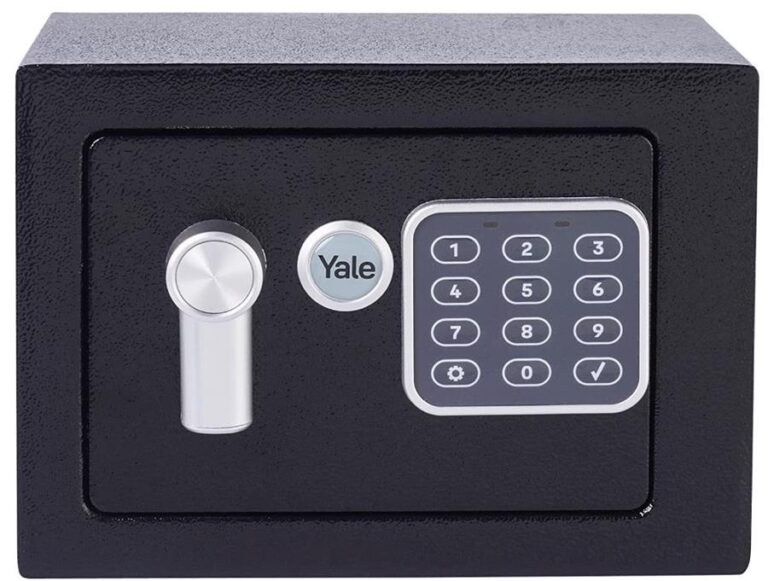
If you hold customers’ keys you should invest in a dedicated, lockable key cabinet or safe at your main base, and restrict physical access solely to authorised sitters. By separating personal data from physical keys, you protect your clients’ privacy and eliminate major security risks.
This one is available from Amazon for £39.99 and can be fixed to a wall.
5. Keeping keys secure in transit
When keys are in transit, mobility and accountability become your top priorities. Avoid tossing loose client keys into personal pockets or unzipping them in deep bag pockets where they can easily slip out during a walk. A dedicated, heavy-duty key carabiner clipped inside a secure belt bag or magnetic key pouch ensures every set stays anchored to your person throughout the visit.
In summary
Security is vital when handling customers’ keys as a pet sitter so we hope these ideas help you manage them successfully!
We hope these ideas have helped you learn how to manage customers’ keys, finding the best solution for your pet business. Pet Sitter Dashboard has a range of features which help with the admin for running a pet business. Find out more here
Get Set Grow
Free news and advice for dog walkers, cat sitters and other pet business owners.
Small original articles which only take a minute to read.
Subscribe for free and start growing your business today.
Get Set, Grow!
📣 Do you need to attract more customers for your pet business? Join Pet Sitter Club for access to tons of resources specifically for pet businesses like yours, including: