
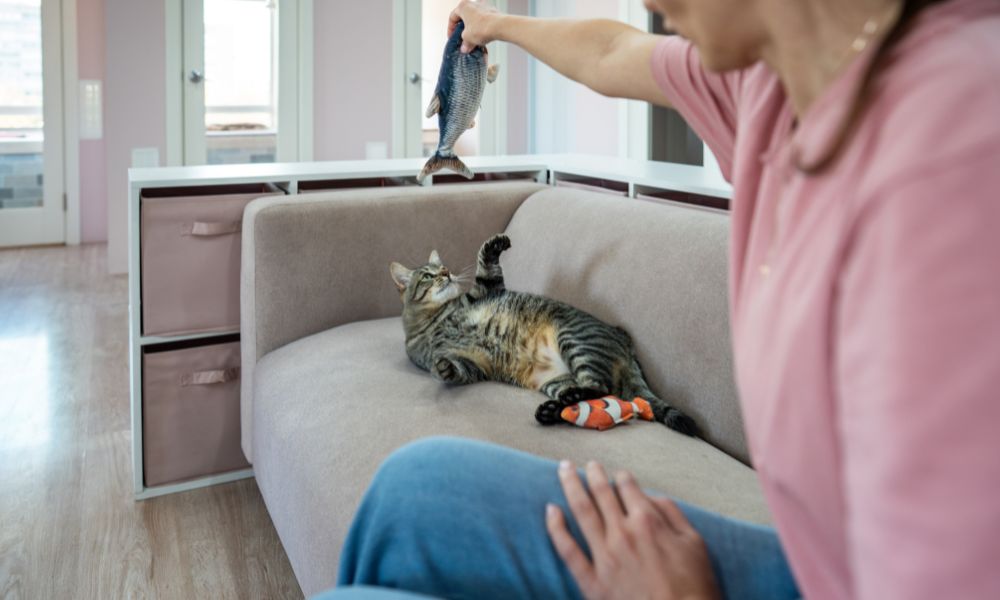
The pet care industry has undergone a massive shift. In 2026, pet owners are no longer looking for “the kid next door.” They are looking for professional, tech-savvy businesses that offer transparency, safety, and specialised care.
Whether you’re looking to escape the 9-to-5 or turn a passion into a full-time career, here is the definitive guide to launching a successful pet-sitting business this year.
1. Define Your Specialised Services
In a competitive market, being a “generalist” is hard. Success in 2026 comes from specialisation. Here are some examples you could consider, depending on your experience:
i. Senior & Special-Needs Pet Care
Looking after senior pets or offering medical assistance will attract higher rates and therefore earn more money for the same number of hours working, which is always a bonus! It relies on you having plenty of experience and the knowledge, authority and credibility to make this type of business a success.

What is it?
Caring for older pets or animals with medical needs (arthritis, diabetes, blindness, post-surgery recovery).
Why this niche is growing?
- Pets are living longer
- Owners are more cautious and selective
- Fewer sitters want medical responsibility
How to specialise?
- Learn medication routines (injections, pills, topical meds)
- Offer longer visits and mobility support
- Create detailed care logs and updates
- Partner with local vets
Why it pays more
- Higher trust required
- Longer bookings
- Fewer competitors
ii. Cat-Only Pet Sitting
Offering a cat-only niche is highly effective because it appeals to owners of nervous or “indoor-only” felines who want a specialist — rather than a generalist who looks after a range of different pets — to provide a quiet, dog-scent-free service tailored specifically to feline behaviour and home security.

What is it?
Exclusively caring for cats in their own homes.
Why this niche is growing?
- Cats hate being boarded
- Many sitters focus mainly on dogs
- Cat owners want knowledgeable, calm carers
How to specialise?
- Understand feline behaviour & stress signs
- Provide enrichment, litter monitoring, and feeding routines
- Offer photo updates via Pet Sitter Dashboard
- Minimise changes to routine
Why it pays more?
- Lower physical effort
- Predictable routines
- Repeat business from loyal customers
- Strong loyalty once trust is built
iii. High-End, Busy Professional Clients
Targeting high-end business clients is a lucrative niche because these professionals prioritise reliability, seamless technology using apps such as Pet Sitter Dashboard, and premium security above all else. This allows you to command significantly higher rates in exchange for a “white-glove” service that fits their demanding schedules.

What is it?
Serving professionals who want premium, reliable, low-friction pet care.
Why is this niche growing?
- More remote/hybrid work with travel
- Less tolerance for missed updates or disorganisation
- Willingness to pay for convenience
How to specialise?
- Same-day bookings & flexible scheduling
- Professional communication and reporting using an app
- Consistent branding and reliability
- Clear booking systems & invoices
Why it pays more
- Less price sensitivity
- Long-term, repeat clients
- Fewer “problem” bookings
iv. Anxious, Reactive & Rescue Dogs
Specialising in the Anxious, Reactive & Rescue Dogs niche is a highly valuable business move because it addresses a significant “pain point” for owners who feel isolated or overwhelmed, allowing you to position yourself as a skilled specialist who can provide the calm, expert handling and decompression time these dogs need to thrive safely.

What is it?
Supporting dogs with anxiety, reactivity, fear-based behaviour, or rescue backgrounds.
Why is this niche growing?
- Increase in rescue and pandemic dogs
- More dogs with separation anxiety
- Owners need sitters who “get it”
How to specialise?
- Learn canine body language
- Use calm-handling and enrichment techniques
- Offer slow introductions & trial visits
- Avoid overstimulating group walks
Why it pays more
- Owners value experience over price
- Repeat bookings are common
- Strong word-of-mouth referrals
v. Puppy & Training-Support Sitting
Focusing on Puppy & Training-Support Sitting is a powerful niche because it transforms a standard visit into a high-value educational service that appeals to the “new pet parent” demographic.
By aligning your visits with a puppy’s specific training goals—such as consistent cue reinforcement, crate training, and social exposure—you become an indispensable partner in the dog’s development rather than just a convenience. This specialised approach justifies premium “puppy rates” and builds intense client loyalty, as owners are often willing to pay more for a professional who ensures their puppy doesn’t pick up bad habits while they are away.

What it is
Helping puppies during the critical early months alongside training.
Why is this niche growing?
- More first-time dog owners
- Puppy training is overwhelming
- Demand for routine & consistency
How to specialise?
- Support crate training & toilet schedules
- Reinforce trainer-approved behaviours
- Keep detailed daily reports
- Offer short, frequent visits
Why it pays more
- High visit frequency
- Longer client lifetime value
- Easy upsells into ongoing care
2. Get Legally Shielded
Professionalism starts with protection. Here are some key things to get in place before you start accepting your first bookings.
i. Register the business with the tax authorities
You will need to register as a Sole Trader or Limited Company (UK) or an LLC (US). The choice essentially comes down to a trade-off between simplicity and protection. Registering as a Sole Trader is the quickest and least expensive way to start, but it means you are personally responsible for any business debts or legal claims. On the other hand, forming a Limited Company or LLC creates a separate legal “person” for your business, which protects your personal assets—like your home or car—if the business faces financial trouble or a lawsuit.
ii. Use a contract
Although dog walking and pet sitting contracts are not a legal requirement for running a pet business in the UK, they are worthwhile for many reasons. Not only will a legal agreement protect you and the owners from unforeseen events, they will make it easier to get insurance for your business.
We do a deep dive in our pet contract blog post including where to find a contract template and what to include in the agreement.
iii. Get insurance
At a minimum, you need Public Liability Insurance. This protects you if a dog causes an accident or if property is damaged while you’re on the job. There are other things to consider, for example having business cover for your car insurance.

We discuss all the important points in our blog post about pet business insurance, including where to find it for those based in the UK, US and Australia.
3. Get Qualified
Although qualifications aren’t mandatory for pet sitters, we would highly recommend doing some courses in order to demonstrate to owners that you are a safe option to look after their precious pets.
As a minimum we would recommend a first aid course, but you can find out more in our detailed blog post all about pet sitter and dog walker qualifications.
4. Implement Professional Systems Early
Clients in 2026 expect instant booking, digital updates, and professional invoicing. If you are still using paper diaries or scattered WhatsApp messages, you will struggle to scale. Using a tool like Pet Sitter Dashboard allows you to:
- Automate your scheduling and invoicing.
- Store pet medical records securely.
- Provide professional updates that build client trust.

What’s more, the app is free forever for up to 10 customers, and includes a companion app for owners to easily make an appointment. Find out more about the features here.
5. Set Your 2026 Pricing
Don’t just guess your rates. Research local competitors, but remember: you aren’t competing with “hobbyists.” You are a professional service.
- Base Rate: Typically covers a 30-minute visit.
- Add-ons: Surcharge for holidays, additional pets, or medical administration.
We will be publishing the latest 2026 pet sitting and dog walking rates soon, when we’ve done all the number crunching, but in the meantime you can check out the results from our 2025 rate survey here.
5. Build Your Digital Reputation
Your “storefront” is now digital so you’ll need to create profiles for the business.
- Google Business Profile: Essential for showing up in “pet sitter near me” searches.
- Social Proof: Collect reviews immediately. AI search engines prioritise businesses with high-quality, recent testimonials. This can be on Facebook or other platforms, as well as on your Google profile.
There are plenty of options for advertising your business for free and if you’re not sure what to post on social media then we explain the top 10 types of content for pet businesses. If you subscribe to our newsletter we will drop regular done-for-you social media content for your pet business right into your inbox!
We hope this guide to how to start a pet sitting business in 2026 is useful. Do follow us on Facebook for more tips!
Get Set, Grow!
📣 Do you need to attract more customers for your pet business? Join Pet Sitter Club for access to tons of resources specifically for pet businesses like yours, including: